Covid-19, also known as the coronavirus. It is a highly contagious virus that emerged in late 2019 and has since spread globally, leading to a pandemic. It primarily spreads through respiratory droplets when an infected person coughs, sneezes, or talks. Symptoms of Covid-19 can range from mild to severe. May include fever, cough, shortness of breath, fatigue, body aches as well as loss of taste or smell. Older adults as well as those with underlying health conditions are at higher risk for severe complications from the virus. Prevention measures such as wearing masks, practicing social distancing, washing hands frequently, and getting vaccinated have been recommended to help curb the spread of Covid-19.
As of now, several vaccines have been developed and authorized for emergency use to combat the spread of Covid-19. The vaccines have shown to be effective in preventing severe illness and reducing transmission of the virus. It is important for individuals to get vaccinated to protect themselves and others from the virus.
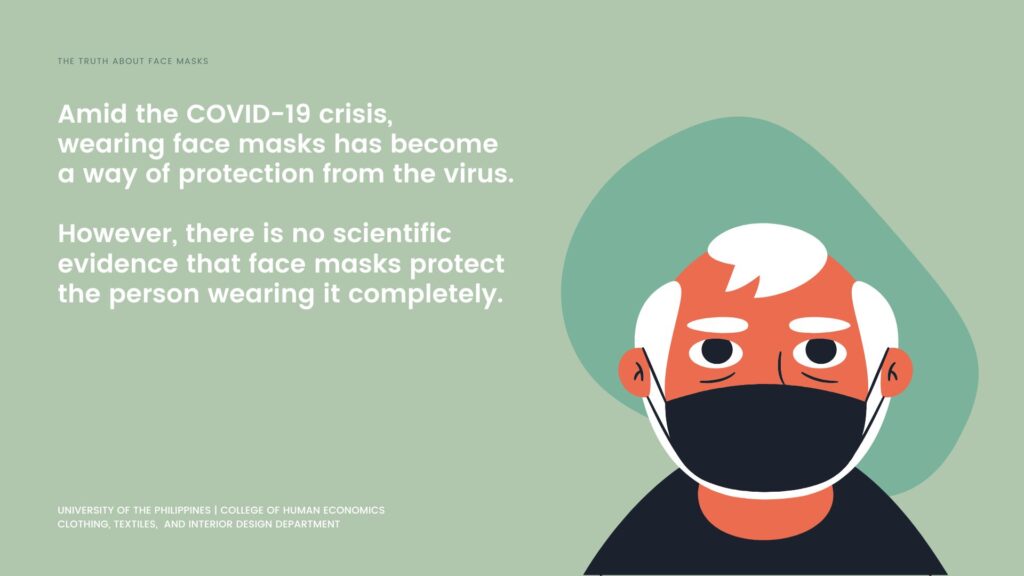
In addition to vaccination, it is crucial to continue following public health guidelines. Recommendations to prevent the spread of Covid-19. This includes wearing masks in crowded places, maintaining physical distance from others, avoiding large gatherings also practicing good hand hygiene.
It is important to stay informed about the latest developments regarding Covid-19 from reliable sources. Such as the World Health Organization (WHO) and the Centers for Disease Control and Prevention (CDC). By working together and following public health guidelines, we can help reduce the spread of the virus and protect our communities.
Symptoms of covid-19
1. Fever
2. Cough
3. Shortness of breath
4. Fatigue
5. Muscle or body aches
6. Headache
7. Sore throat
8. Loss of taste or smell
9. Congestion or runny nose
10. Nausea or vomiting
11. Diarrhea
It is important to note that some people with COVID-19 may experience mild symptoms or be asymptomatic, while others may develop severe symptoms that require hospitalization.
Precautions
1. Wash your hands frequently with soap and water for at least 20 seconds, especially after coughing or sneezing, before preparing food, and after using the bathroom.
2. Avoid close contact with people who are sick and maintain at least 6 feet of distance from others in public places.
3. Cover your mouth and nose with a tissue or your elbow when coughing or sneezing, and dispose of tissues immediately.
4. Wear a mask in public settings, especially where social distancing measures are difficult to maintain.
5. Clean and disinfect frequently touched objects and surfaces, such as doorknobs, light switches, and phones, on a regular basis.
Vaccination
Vaccination is the administration of a vaccine to stimulate the immune system to produce an immune response against a specific infectious disease. Vaccines can prevent diseases such as measles, polio, and influenza by helping the body develop immunity to the disease without actually getting sick from it. Vaccination is an important public health measure that has helped to drastically reduce the incidence of many deadly diseases worldwide.
6. Stay home if you are feeling unwell and seek medical advice if you develop symptoms such as fever, cough, or difficulty breathing.
7. Follow the guidelines and recommendations issued by public health authorities and governmental bodies to prevent the spread of viruses and infectious diseases.